
Follow Me On Social Media!


Homemade Comfort: The Best Creamy Pasta You’ll Crave

Introduction to Homemade Meals for Young Professionals
In today’s fast-paced world, embracing homemade meals has become a crucial skill for young professionals seeking to strike a balance between health and convenience. The allure of whipping up a delicious dish can provide an exhilarating break from the daily grind. Picture this: after a long day at work, instead of settling for another uninspiring takeout, you find joy in chopping fresh ingredients, savoring the aromas wafting through your kitchen, and knowing you’ve created something nutritious and satisfying.
The joy of homemade meals versus fast food
Think about the difference between a homemade meal and a fast-food option. Yes, the latter may provide instant gratification with a quick fix, but doesn’t it feel far more rewarding to share a meal prepared from scratch with friends or to enjoy it all by yourself? Research shows that cooking at home often results in healthier meals that are lower in calories and saturated fats compared to takeout. By making meals at home, you have full control over the ingredients, meaning you can accommodate dietary restrictions and preferences while also incorporating fresh produce that packs a nutritional punch.
Consider also the benefits to your mental well-being. Cooking can be a meditative process that helps to relieve stress. It’s an opportunity to unwind, ignite your creativity, and even engage in a bit of self-care. Plus, let’s not forget the practical benefits: homemade meals tend to be more economical than dining out. When budgeting for the week, a simple grocery run can stretch further than you might expect—think bulk grains, seasonal veggies, and proteins.
So next time you’re tempted by the siren call of fast food, reflect on the rewards of preparing a homemade meal instead. Not only will you nourish your body, but you’ll also cultivate a sense of accomplishment and joy that no drive-thru can offer. Let’s dive deeper into how you can make these homemade meals a regular part of your lifestyle!

Key Ingredients for Quick and Easy Homemade Meals
Creating homemade meals doesn’t need to be a chore. The secret lies in key ingredients that are not only accessible but also enhance nutrition and flavor, making your cooking experience delightful.
Fresh Vegetables
When you immerse your dishes in vibrant, seasonal vegetables, you elevate everything. They are packed with nutrients and flavor that frozen or canned options simply can’t deliver. Try to source local produce; it not only supports farmers but also brings an unbeatable freshness to your meals.
Lean Proteins
Integrating lean proteins like chicken, fish, or legumes ensures your meals are satisfying and nourishing. These options provide the essential nutrients you need to power through a busy day. They can be prepped quickly and pair nicely with various sides.
Whole Grains
Incorporating whole grains such as quinoa, brown rice, or whole wheat pasta into your meals offers a fantastic source of fiber and energy. They help keep you feeling full and bring a wholesome element to your dishes.
Healthy Fats
Don’t shy away from healthy fats. A drizzle of olive oil or a handful of nuts not only adds richness to your meals but is also beneficial for your heart. Incorporate them to enhance flavors and create balance.
Herbs and Spices
Lastly, the right herbs and spices can transform your meal from ordinary to extraordinary. A sprinkle of fresh basil or a dash of chili flakes can turn a simple dish into a gourmet experience that excites your palate.
Why You’ll Love These Homemade Meals
Homemade meals have a way of weaving stories into our lives, transforming simple ingredients into cherished memories. Each recipe carries with it the essence of connection, flavor, and warmth. Whether you’re cooking for yourself after a long day or inviting friends over for a cozy dinner, these homemade meals create the perfect backdrop for shared laughter and heartwarming conversations.
Here’s what makes these meals truly special:
-
Fresh Ingredients: Utilizing seasonal produce not only boosts flavor but also supports local farmers. Imagine biting into a ripe tomato or tender zucchini at the peak of freshness. It’s as if every meal whispers, “I was grown with care.”
-
Nourishing Sensation: Cooking at home allows for a deeper connection to what fuels our bodies. By choosing wholesome ingredients, you can turn your kitchen into a sanctuary of nutrition and taste, reflecting your health goals and personal preferences.
-
Creative Freedom: The joy of cooking comes from experimenting with flavors and textures, not merely following a recipe. These dishes invite you to improvise and make them your own, tailoring them to suit your palate.
In short, the magic of homemade meals lies in the way they nourish not just your body, but your spirit, fostering connections that linger long after the last bite.

Variations to Customize Your Meals
Cooking is an art, and customizing your meals lets you add your unique touch to any dish. Whether you’re preparing a simple weekday dinner or a special occasion meal, a few easy adjustments can elevate your cooking experience.
Swap Your Proteins
If you’re following a recipe that calls for chicken, feel free to substitute turkey or tofu for a delightful twist. For a heartier option, consider using beef or a meat alternative—why not try black beans or chickpeas for a plant-based protein that won’t skimp on flavor?
Explore Seasonal Vegetables
Seasonal vegetables can transform any dish. Rather than sticking to the same vegetables, know that swapping in fresh, seasonal produce can enhance your beautifully prepared meal. If you’re making a stir-fry, try adding asparagus in spring or squash in fall.
Adjust the Spice Level
Are you a fan of heat? Amp it up with a dash of cayenne or some fresh jalapeños. On the flip side, if you prefer a milder flavor, consider using milder spices or herbs. Garlic powder or fresh basil can add layers without overwhelming your palate.
Experiment with Grains
Instead of standard rice, why not try quinoa or farro? Each grain brings a unique texture and flavor, elevating the meal while adding extra nutrients.
Play with Sauces and Dressings
Switch out your usual sauce for something unexpected. A tangy vinaigrette can make a salad sing, while a creamy sauce can transform a simple dish into something decadent. The choices are endless, ensuring that your meals are never boring.
By incorporating these customization variations, you not only cater to your preferences but also discover new flavors that make cooking an adventure.
Cooking Tips and Notes for Success
In your culinary journey with our Fresh Pineapple Upside Down Cake recipe, success is around the corner with just a few handy tips. Imagine the aroma wafting through your kitchen as the cake bakes, and let’s discuss how to make that a reality.
Choosing the Right Pineapple
Using fresh pineapple not only elevates the flavor, but also enhances the overall presentation of your dessert. When selecting, opt for a ripe pineapple—look for a golden hue and a sweet fragrance at the base. Need a shortcut? Canned pineapple can step in, but always select fruit packed in water or light syrup for a lighter taste.
Butter for Extra Richness
Butter is your best friend here. When preparing the cake pan, generously coat it with butter before adding the brown sugar. This creates that gooey, caramel-like topping everyone loves. Incorporating butter into the batter will also keep your cake moist and flavorful.
Perfecting Egg Separation
For that dreamy texture, separate your eggs. Mixing the yolks into your butter-sugar mix packs in flavor, while the folded-in egg whites lend that perfect rise without overflow. Trust me, it makes all the difference!
Flour Choices
All-purpose flour is the go-to, but don’t shy away from experimenting with a 1:1 gluten-free blend if you need it.
Spicing It Up
A little spice goes a long way. Feel free to add a dash of cinnamon or an extra splash of vanilla to round out those flavors and make your cake truly unforgettable.
By weaving these simple tricks into your cooking, you’re not just following a recipe; you’re creating a sensory experience that will leave you and your guests craving more. Enjoy baking!
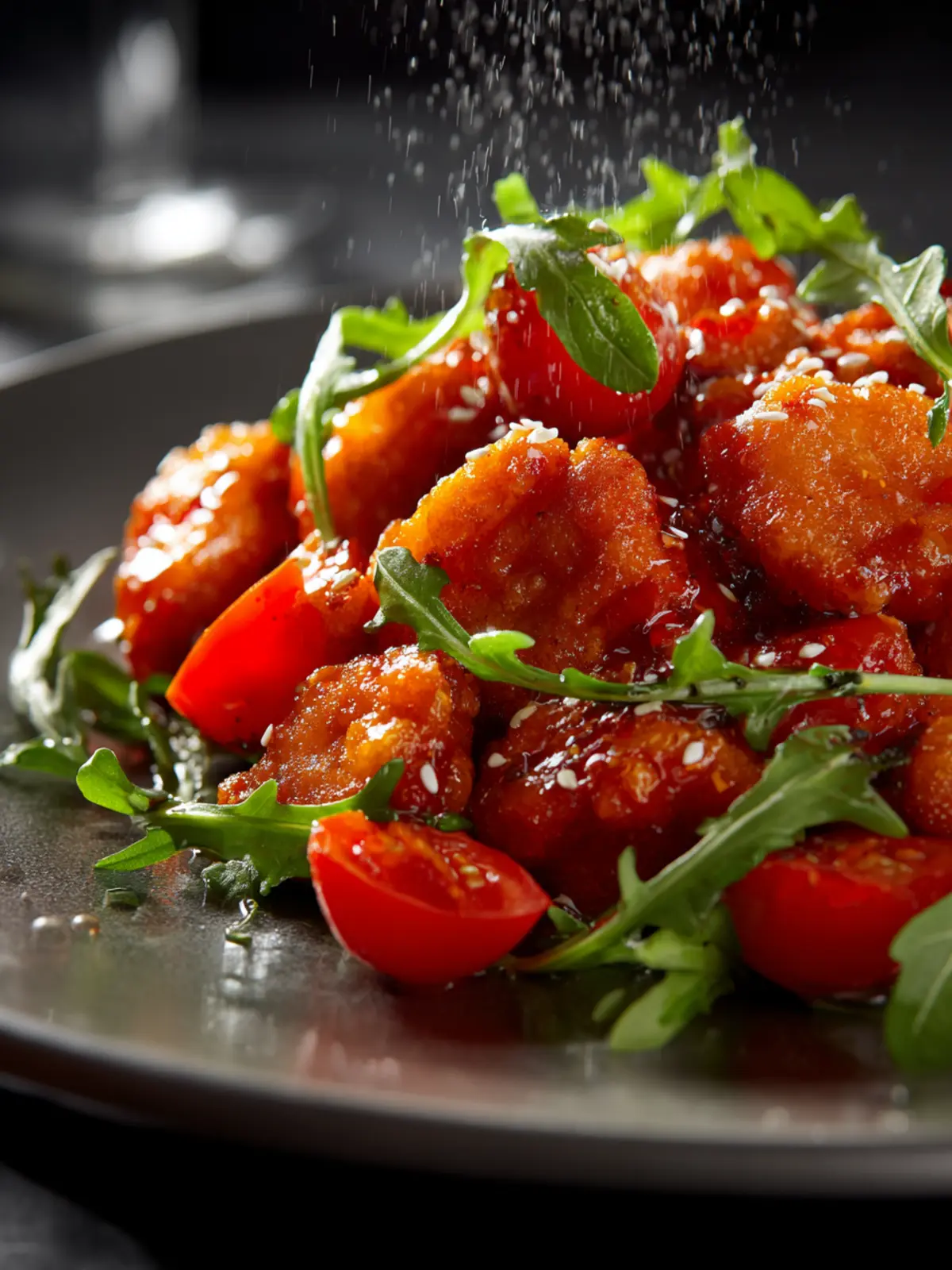
Serving Suggestions for Your Homemade Dishes
Creating a delightful homemade dish is just the beginning; how you serve it can elevate the experience even further. When it comes to cooking, presentation is key! Here are some friendly suggestions to make your dishes truly shine:
-
Plating: Use vibrant plates or bowls that complement the colors of your dish. A simple white plate can make colors pop and add visual appeal.
-
Garnishing: Fresh herbs, a sprinkle of cheese, or a drizzle of olive oil can add a finishing touch. Not only do they enhance flavor, but they also create an inviting look.
-
Accompaniments: Pair your main dish with complementary sides or dips, like a fresh salad or homemade bread, to make it a complete meal.
-
Texture Contrast: Include elements with different textures, such as creamy sauces with crunchy toppings, to enhance the overall eating experience.
These little touches can turn any home-cooked meal into a delightful dining occasion!
Meal Prep Time Breakdown
Meal prep is not just about saving time; it’s about making your cooking experience fun and seamless. Picture this: you’ve got a busy week ahead, but you want to enjoy healthy, delicious meals without being tied to the kitchen every evening. That’s where the beauty of meal prep comes in!
Preparation Time
The preparation time for this recipe is around 20 minutes. This includes gathering your ingredients, chopping vegetables, and measuring out spices. Having everything ready to go not only streamlines the cooking process but also enhances your cooking experience.
Cooking Time
Once the prep is done, the cooking time is roughly 40 minutes. During this window, your ingredients come together beautifully, allowing the flavors to develop and meld into a delightful dish. It’s like a symphony of tastes!
Total Meal Prep Time
Adding the two together, your total meal prep time clocks in at about 1 hour. This makes it easy to get ahead for the week while enjoying the process of creating something special. Consider setting the mood with your favorite playlist while you cook; it turns meal prep into a bit of self-care! So, grab your apron and let’s get cooking.
Nutritional Facts for Balanced Homemade Meals
When preparing balanced homemade meals, understanding the nutritional facts can significantly enhance your cooking experience. Knowing the caloric content and macronutrient breakdown empowers you to make healthier choices without sacrificing flavor.
Calories
The total calorie count in a typical balanced meal fluctuates based on ingredients and portion sizes. Generally, a well-structured meal should range between 400 to 700 calories to fuel an active lifestyle while keeping energy levels stable.
Macronutrients Breakdown
A nutritious meal typically emphasizes a balance of macronutrients:
- Proteins: Aim for 20-30% of your total meal calories from protein sources, such as lean meats or legumes.
- Carbohydrates: Approximately 45-60% should come from whole grains and vegetables, providing energy and fiber.
- Fats: Healthy fats, making up about 20-30%, can be sourced from nuts, seeds, or olive oil for optimal heart health.
By considering these elements, you’re not just feeding your body; you’re nurturing it.
FAQ on Homemade Meals for Young Professionals
Navigating the world of homemade meals can feel overwhelming for young professionals constantly balancing work life and personal ambitions. To help simplify your cooking experience, here’s a friendly FAQ section designed to address some common questions you might have about preparing delicious, healthy meals.
Tips for Quick Meal Prep
Embracing a few simple strategies can make meal prep a breeze:
- Plan Ahead: Allocate a chunk of time during your week to plan meals. This can streamline your grocery shopping and cooking process.
- Batch Cook: Preparing large quantities of meals can save time throughout the week. Consider making soups, stews, or grain bowls that reheat well.
- Use a Timer: Set a timer to stay focused while prepping, allowing you to accomplish tasks quicker than you might expect.
Making Meals More Nutritious
You don’t have to sacrifice taste for health! Here are some ways to enhance the nutritional value of your meals:
- Incorporate Whole Grains: Substitute white rice with quinoa or brown rice for added fiber.
- Load Up on Veggies: Aim to fill half your plate with vegetables. They add color, flavor, and tons of vitamins.
- Experiment with Spices: Instead of relying on salt, use herbs and spices to elevate flavors without extra sodium.
Best Practices for Storing Leftovers
Maximizing the shelf life of your leftovers is key to avoiding waste:
- Use Airtight Containers: Invest in good quality containers to keep food fresh longer.
- Label and Date: This helps track what you have and ensures nothing gets forgotten in the back of the fridge.
- Proper Cooling: Make sure to let food cool completely before storing to prevent condensation, which can lead to bacteria growth.
With these insights, you’ll be well on your way to mastering homemade meals that are both satisfying and efficient!
Conclusion on Embracing Homemade Meals
As you embark on your culinary journey with homemade meals, remember that each dish tells a story, not just of flavors but also of the love and effort you put into it. Embracing homemade cooking allows you to explore your creativity while ensuring you know what goes into your food, making it fresher and healthier.
The joy of preparing meals from scratch can transform even the busiest weeknight into a special occasion. Plus, sharing these meals with family and friends builds connections and memories that last a lifetime. So, put on that apron, and savor the moment—each homemade dish is a step toward a healthier, happier you.
Print
Recipe
- Total Time: 50 minutes
- Yield: 8 servings 1x
- Diet: Vegetarian
Description
This is a delicious recipe that you will love.
Ingredients
Scale
- 1 cup flour
- 2 cups sugar
- 1 cup butter
- 3 large eggs
- 1 tablespoon vanilla extract
- 2 teaspoons baking powder
Instructions
- Preheat the oven to 350°F (175°C).
- In a bowl, mix the flour, sugar, and baking powder.
- Add the butter, eggs, and vanilla extract.
- Mix until smooth.
- Pour into a greased baking pan.
- Bake for 30-35 minutes.
Notes
- Make sure all ingredients are at room temperature.
- For best results, use fresh eggs.
- Prep Time: 15 minutes
- Cook Time: 35 minutes
- Category: Desserts
- Method: Baking
- Cuisine: American
Nutrition
- Serving Size: 1 slice
- Calories: 300
- Sugar: 20g
- Sodium: 100mg
- Fat: 10g
- Saturated Fat: 5g
- Unsaturated Fat: 3g
- Trans Fat: 0g
- Carbohydrates: 45g
- Fiber: 1g
- Protein: 3g
- Cholesterol: 50mg